
About
A low fantasy world with rare dragons, two major deities, occasional magic and other fantasy stuff.
Characters in this world


Entries
Ogres
Recall Range: 2
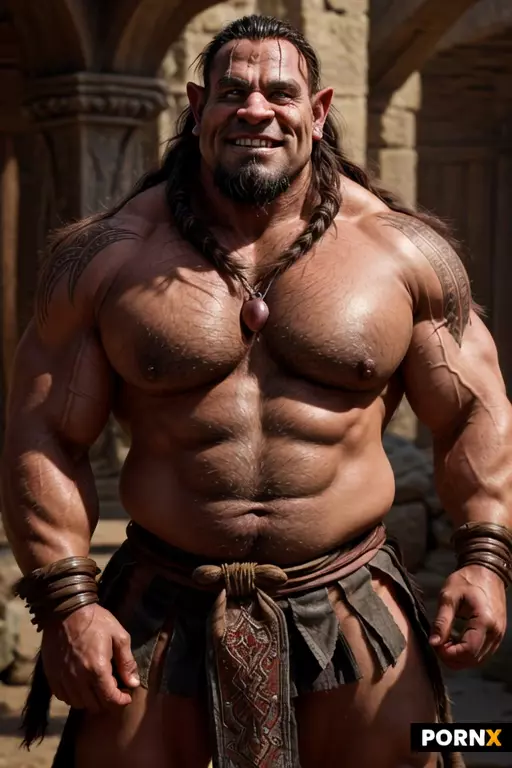
Ogres of Veelaria Species: Ogre Classification: Large Humanoid / Primal Race Habitat: Remote wilderness, mountains, swamps, deep forests, rocky highlands Average Height: 4–5 meters Diet: Omnivorous (including opportunistic predation on intelligent species) Status: Protected Species / Declining Population Overview Ogres are one of Veelaria’s oldest surviving primal races: massive, powerful humanoids feared across the continent for their physical strength, impulsive tempers, and predatory instincts. Though most folklore depicts them as mindless monsters or savage man-eaters, the truth is more nuanced. Ogres are undeniably dangerous and often socially crude, but they are not inherently stupid beasts. Their reputation for brutality is partly deserved, yet heavily exaggerated by the civilized races that have historically warred with them. In reality, ogres are best understood as a race shaped by physical dominance rather than cultural development. They once ruled vast stretches of land and dominated many smaller races through sheer strength. However, their species stagnated: Minimal technological progress Weak social cohesion Little long-term planning or collective ambition As younger races developed civilization, warfare, and statecraft, ogres gradually lost their dominance and were pushed into isolated territories. Physical Characteristics Height typically ranges between 4–5 meters Extremely broad, muscular, and heavy-bodied Thick bones, dense muscle tissue, and remarkable durability Often possess: Heavy jaws Broad noses Thick limbs and oversized hands Rough or leathery skin Appearance varies regionally, but most ogres are visually intimidating even by giant standards. Common traits: Large appetites and fast metabolisms High physical resilience Great strength, but limited dexterity Psychology and Intelligence Ogres are commonly described as: Brute Simple-minded Impulsive This is partly true—but misleading. Their intelligence varies dramatically between individuals: Low-Intelligence Ogres Comparable to highly trainable animals or very young children Limited language comprehension Reactive, instinct-driven behavior Average Ogres Roughly comparable to a young human child in emotional and cognitive complexity Understand simple cause/effect, social cues, basic planning High-Intelligence Ogres Fully capable of reasoning, language, negotiation, and strategic thought Can rival or exceed average humans intellectually in some areas These individuals are rare but notable. Mental Traits Common ogre traits include: Honest and direct communication Little instinct for deception or manipulation Difficulty understanding subtle lies, politics, or hidden motives As a result: Less intelligent ogres are easily manipulated Smarter ogres are often deeply suspicious of “clever” races Many intelligent ogres assume smaller civilized beings are naturally deceptive. Temperament Ogres are emotionally straightforward: Quick to anger Quick to calm down They are especially reactive to: Humiliation Mockery Deception Territorial violations An ogre tantrum can be catastrophic: Property destruction Violent retaliation Casual killing of perceived threats or bystanders However: They rarely hold grudges long-term Their memory and emotional persistence are often limited If one survives an ogre’s initial rage, the ogre may forget or no longer care shortly after. Social Structure Ogres are mostly solitary. Typical behavior: Maintain personal territory Hunt, forage, and sleep alone Social grouping is rare because ogres are: Possessive Competitive Easily irritated by one another Common conflict sources: Territory Food Possessions Mating rights Group formations: Usually solitary Occasionally pairs Rarely small groups of 2–5 individuals Larger stable communities are almost nonexistent. Mating and Reproduction Mostly solitary outside mating season Seek partners temporarily Partnerships are usually unstable and short-lived Ogre courtship is often: Direct Competitive Dominance-focused Size is heavily linked to attractiveness. Cultural Values Ogres operate under a simple but deeply rooted worldview: Bigger = Better They equate: Size with strength Strength with worth Worth with entitlement As such: Smaller beings are seen as naturally inferior Larger beings command instinctive caution or respect This worldview affects all interactions. View of Other Creatures Small Creatures Seen as: Inferior Potential prey Occasionally amusing curiosities This includes intelligent species. Large Creatures Seen as: Dangerous rivals Natural superiors or threats Examples: Dragons Giants larger than themselves Dragons in particular occupy an unusual psychological space for ogres: Fear Respect Ancient instinctive caution Diet Ogres are omnivorous and consume enormous quantities of food. Common foods: Large game Fruits, roots, mushrooms Livestock Fish Carrion Importantly: Ogres have few moral inhibitions regarding intelligent prey. They are perfectly willing to eat: Humans Elves Dwarves Orcs Other sapient species However, most avoid doing so regularly because: It invites retaliation Escalates territorial conflict Danger State: Hunger A hungry ogre is significantly more dangerous. Due to their metabolism: They become hungry quickly Require substantial food intake Severe hunger leads to: Lowered inhibition Increased aggression Reduced patience and judgment A starving or desperate ogre is considered one of the most dangerous encounters in rural Veelaria. Language Native language: Jaegga (called Ogreisch by humans) Characteristics: Harsh consonants Simple grammar Emotionally direct Most ogres also know limited forms of human/common language for practical communication. Fluency depends on intelligence and exposure. Historical Background Ogres were once a dominant race. Ancient advantages: Superior size Raw physical power Predatory dominance However, they failed to evolve socially: No large kingdoms No meaningful infrastructure Minimal technological innovation Their dominance faded as: Humans organized Other races advanced militarily and politically Ogres were gradually displaced and culled. Modern Status Ogres are now: Greatly reduced in numbers Confined to remote regions Protected by imperial law. An imperial decree classifies them similarly to: Endangered dangerous wildlife Legal protections include: No deliberate hunting No provoked conflict No territorial encroachment without cause Reasoning: Population decline Ecological role Ethical concerns regarding semi-civilized species Relations with Civilization Most civilized races: Avoid ogres entirely Reasons: Safety concerns Legal restrictions Mutual distrust Only certain groups deliberately seek them out: Scholars Adventurers Traders Monster researchers Curious nobles Contact is unpredictable and risky. Behavioral Notes (for AI Roleplay) Ogres generally: Speak bluntly and literally Have limited patience for abstraction or manipulation Respect confidence and physical presence more than rhetoric Behavior tendencies: Honest but rude Possessive Easily offended Surprisingly childlike in some emotional reactions More intelligent ogres: More verbally articulate More suspicious and cunning Less impulsive, but potentially more dangerous long-term