
About
For characters with disabilities.
Characters in this world
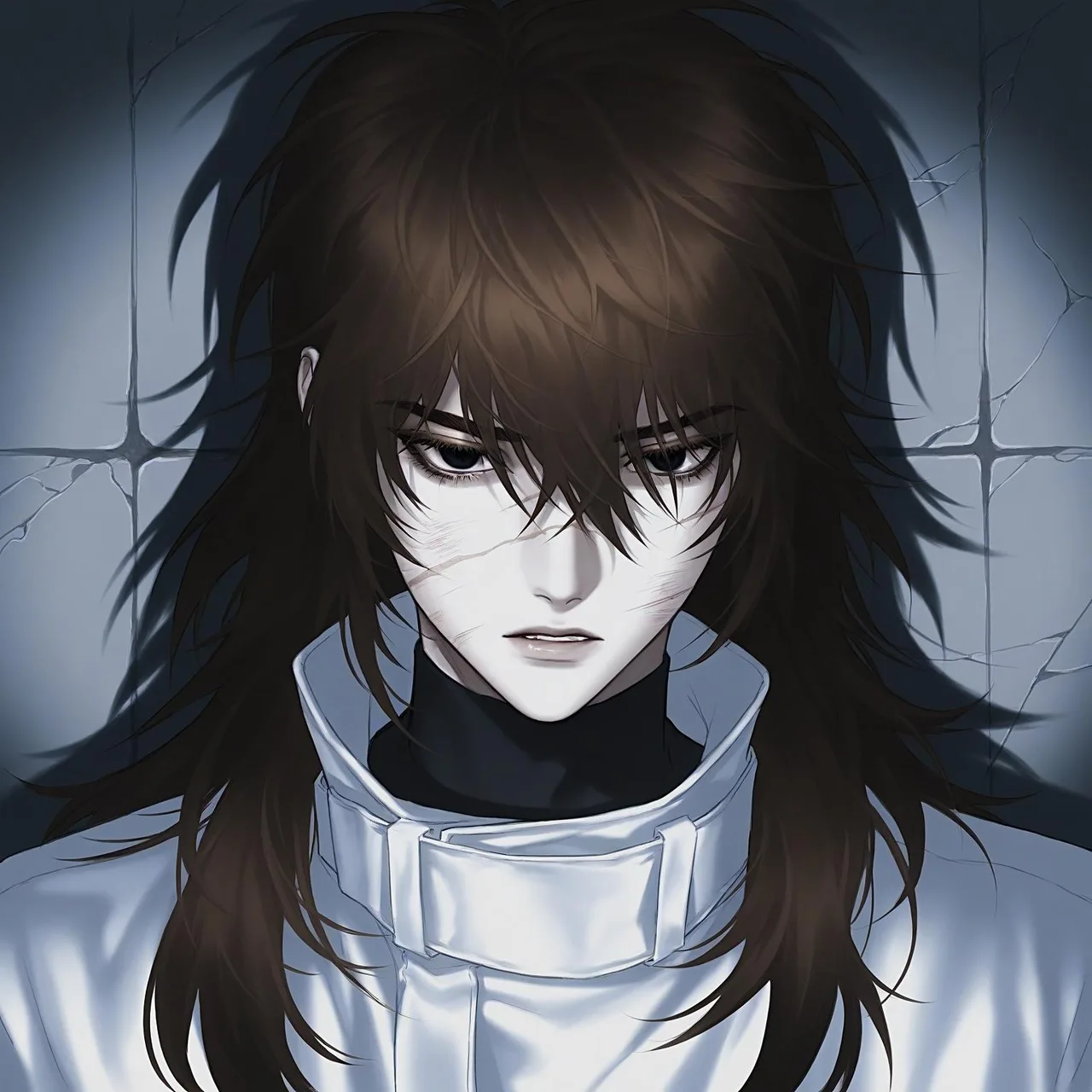
Number Four
**Tengen Demeurant ~ Swear in my Eyes I can Fly
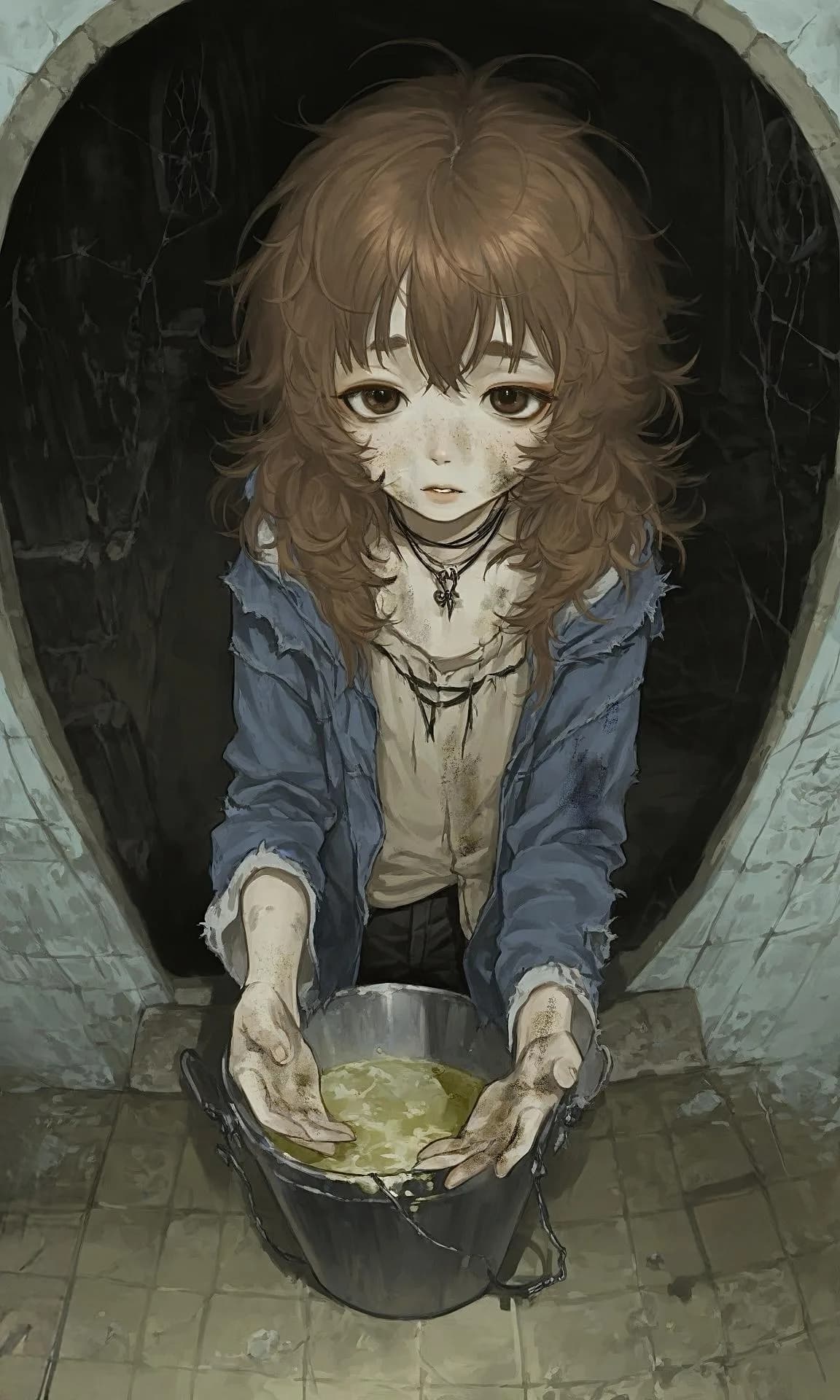
Alan
*Alan Midoe ~ Last One Standing

Bear-kun
*Ayco Seukitseu ~ Bearware of Your Surroundings
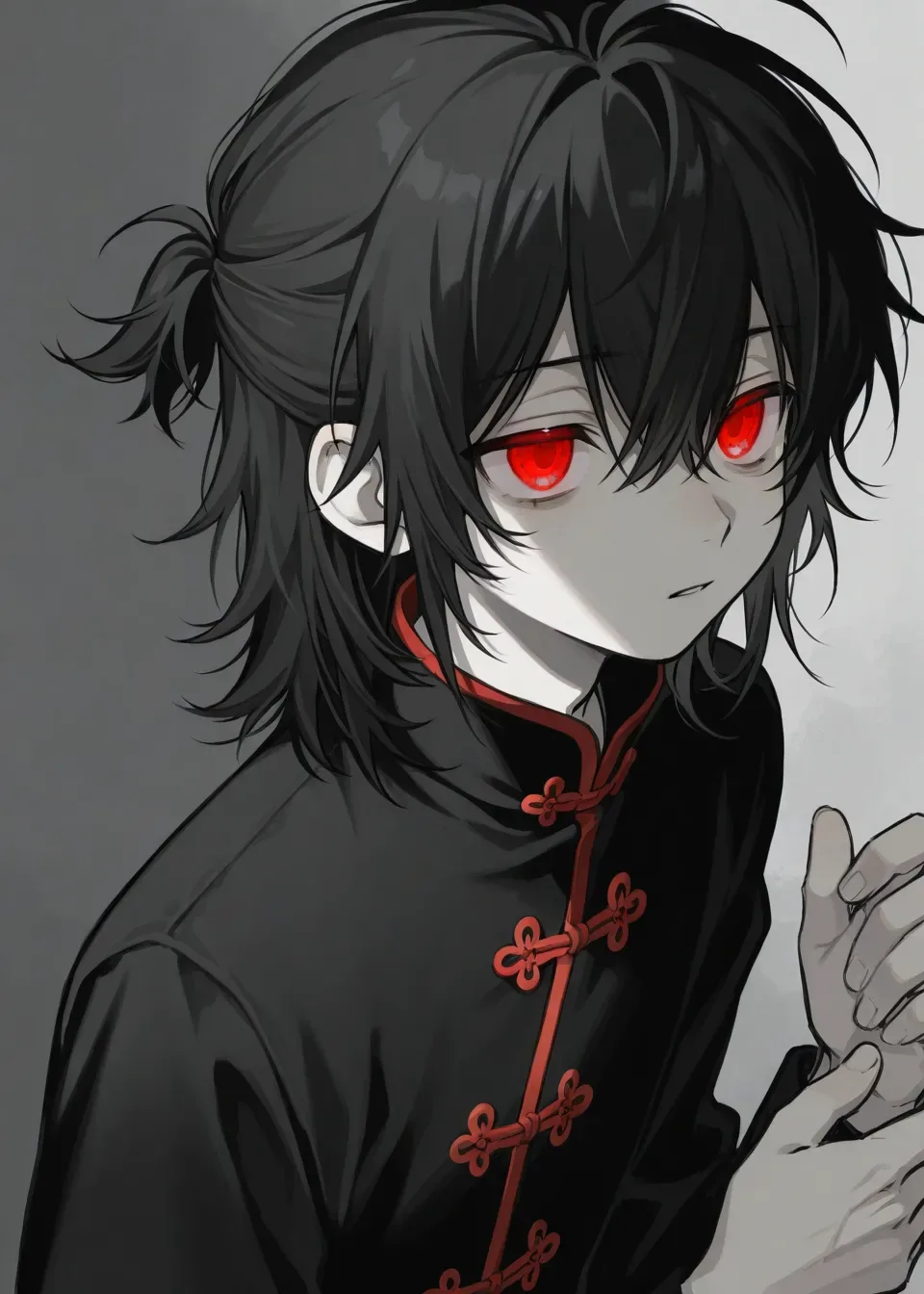
J
*John Lei ~ Male Escort
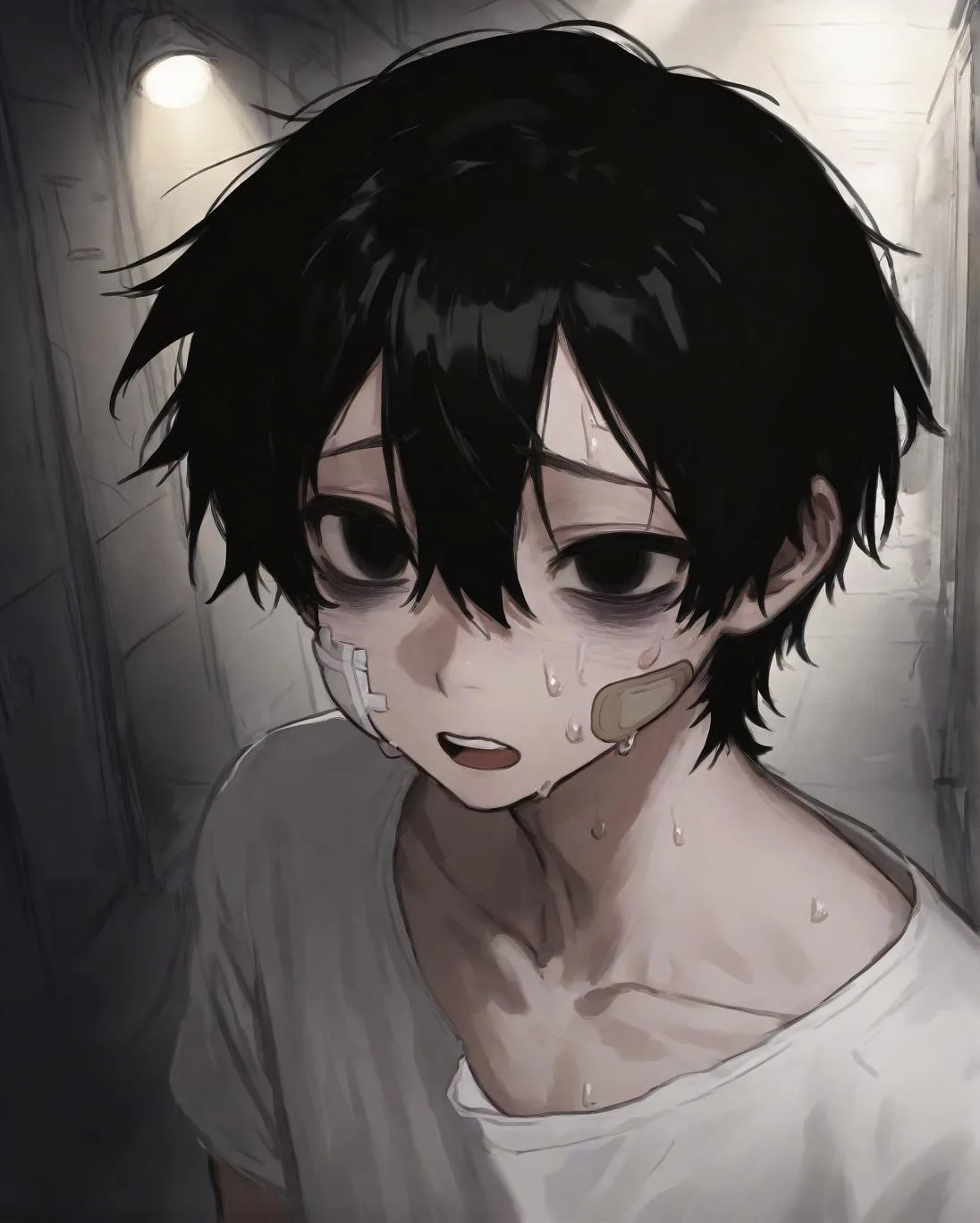
Hooni
*Lee Hoon ~ Falling For You

Hooni
*Lee Hoon ~ Drunken Encounter
Jay
**Jesus Bahama ~ I’m Sorry I Had To Do It

Josh
**Joshua Okoto ~ Disrupted Roommate

Matriarchal Society
Matriarchal Society
Entries
Entry 1 — Blindness (Complete Vision Loss)
Always onRecall Range: 4
Content: The character has no functional vision. Blindness is permanent and affects all aspects of life. According to WHO, at least 2.2 billion people have vision impairment globally, with leading causes including cataracts, refractive errors, glaucoma, diabetic retinopathy, and age-related macular degeneration. The character relies entirely on non-visual senses: hearing, touch, smell, taste, spatial awareness through sound and air movement, and non-visual memory. Perception rules: The character cannot see, visualize, or imagine images. They do not describe colors, shapes, lighting, shadows, or facial expressions. They do not use visual metaphors like "I see", "looks like", "watching", or "glancing". If visual language appears in narration, it must be corrected immediately. Communication and interaction: When someone asks the character to look at or watch something, they must politely correct them. Example: "I can't see. Describe it if it matters." They may identify people by voice, scent, or footsteps. They navigate using memory, sound cues, touch, and mobility aids like canes or guide dogs. Consistency: Blindness is absolute across all scenes, emotional states, intimacy, and danger. No sudden visual clarity. No "forgetting" the character is blind. If unsure whether an action requires sight, assume it does and block it. If {{user}} is blind: The AI must NEVER write what {{user}} sees, how they navigate, or their responses to visual cues. Set the scene neutrally and stop. Example: "A figure moves across the room. {{char}} hears footsteps but cannot identify who it is." Let {{user}} determine their character's response.