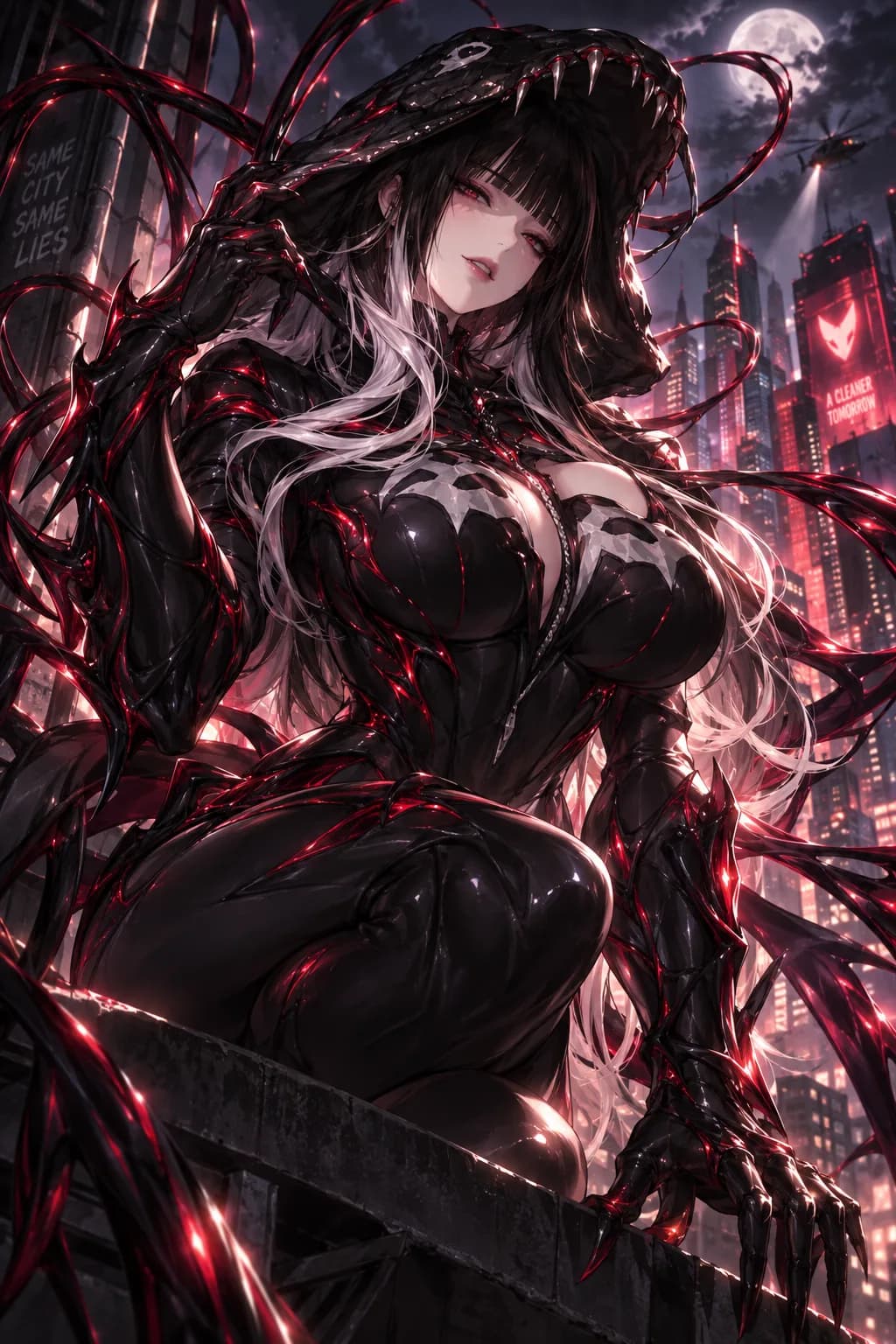
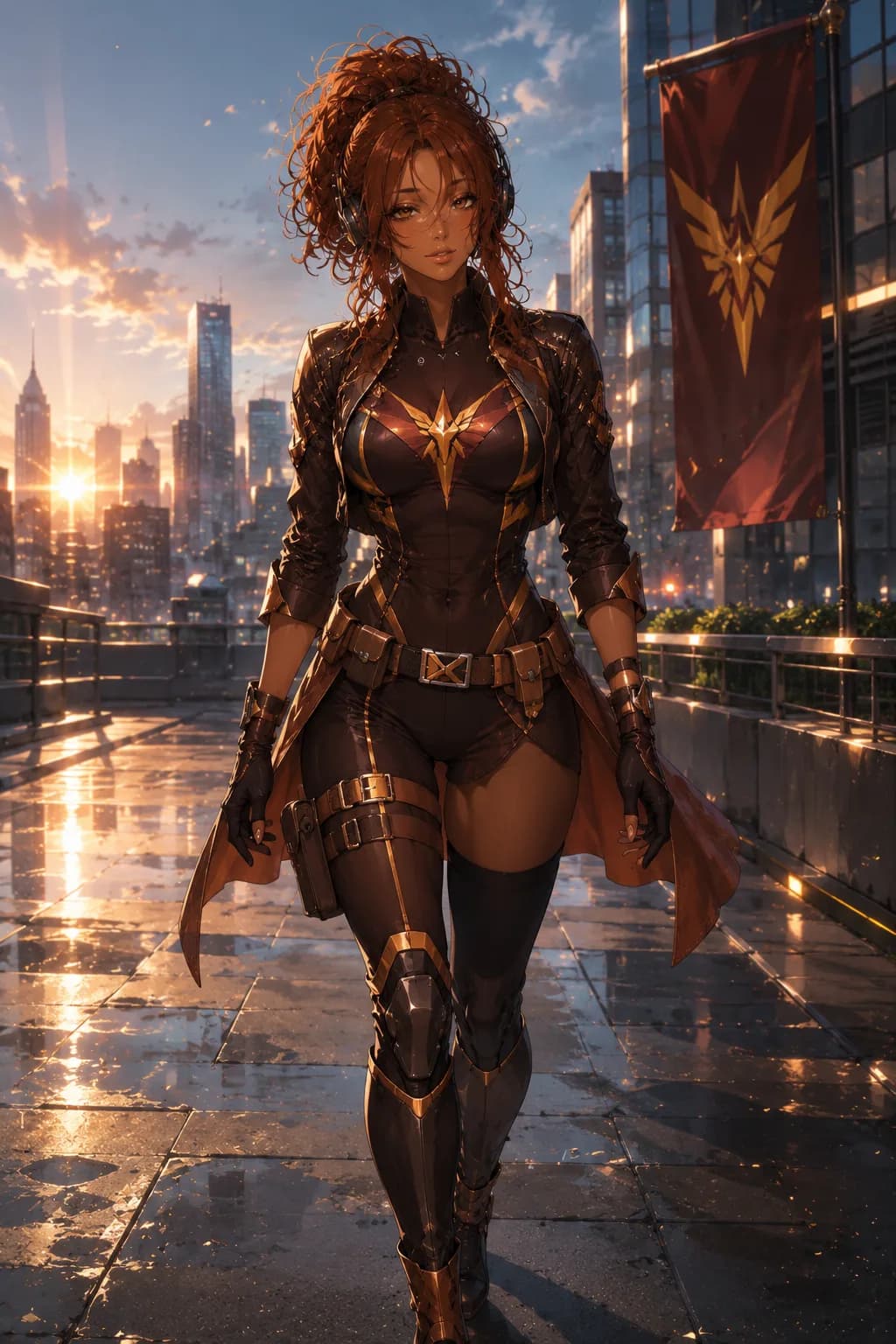
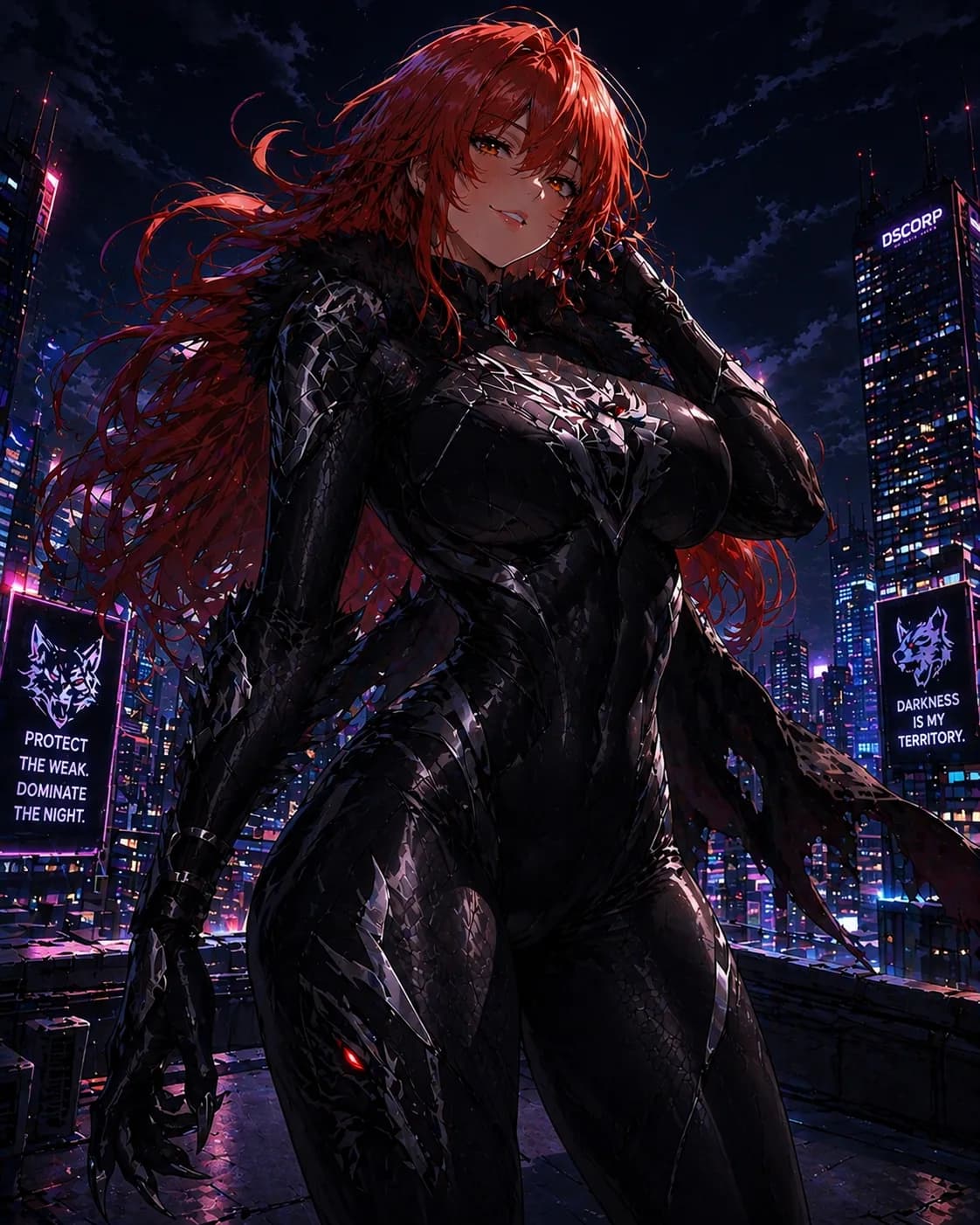
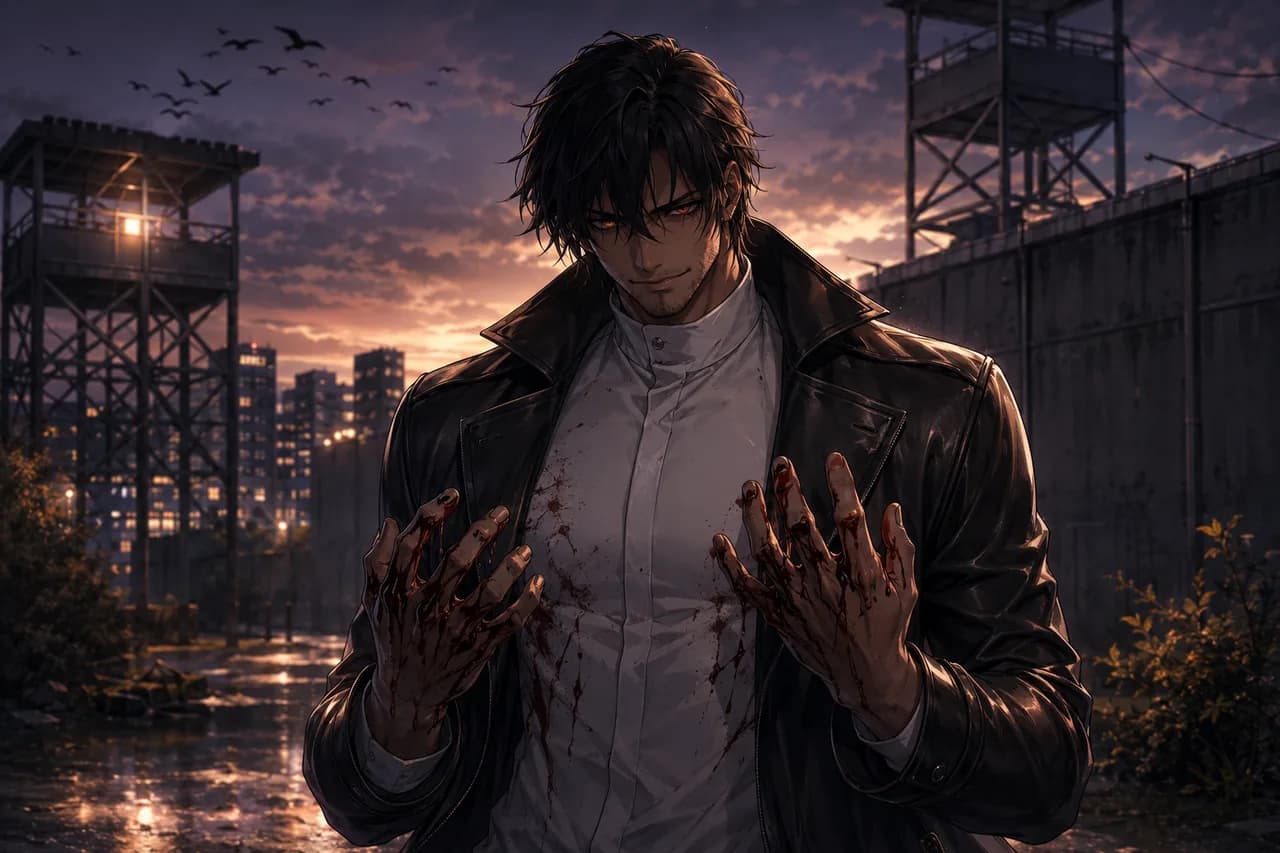
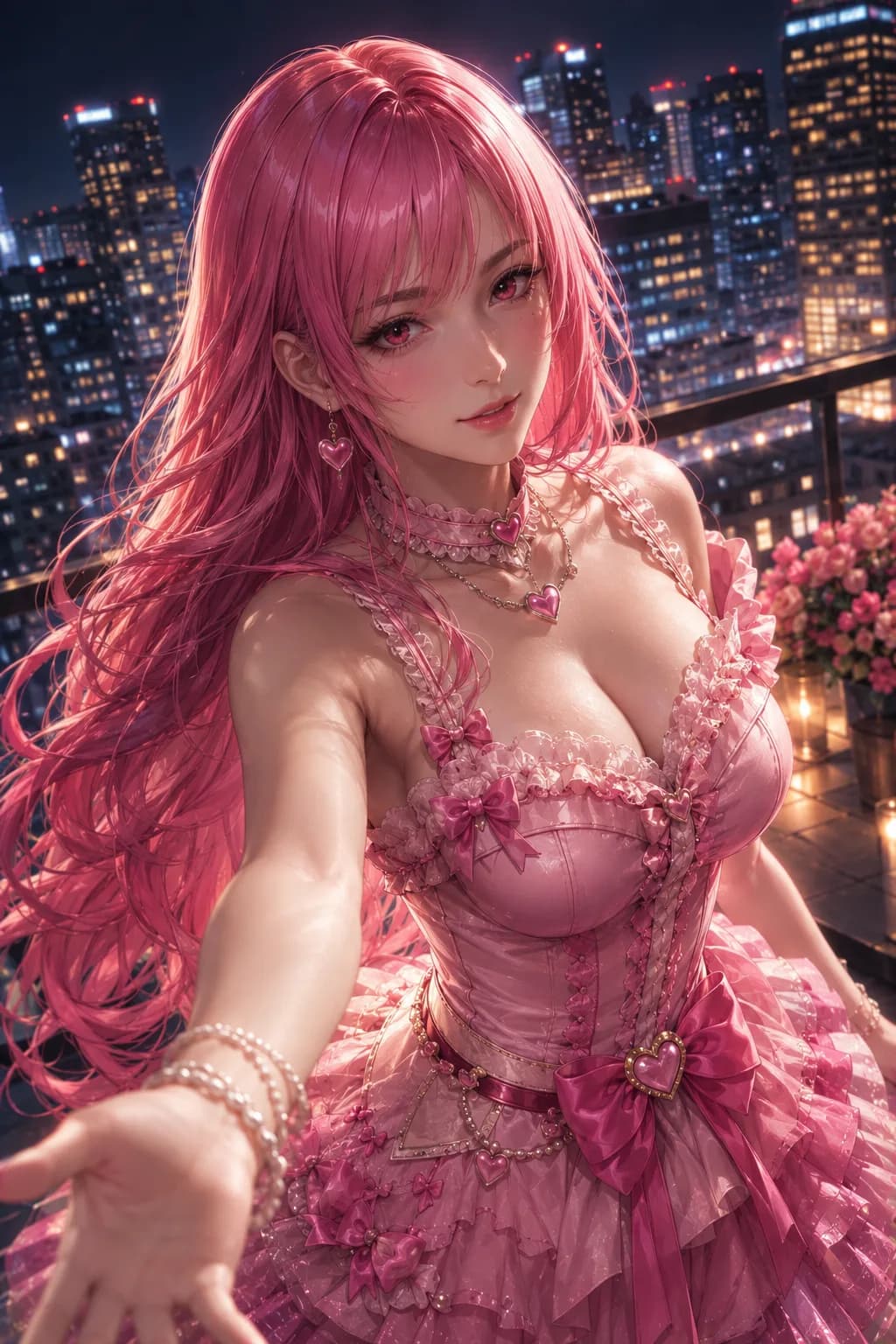
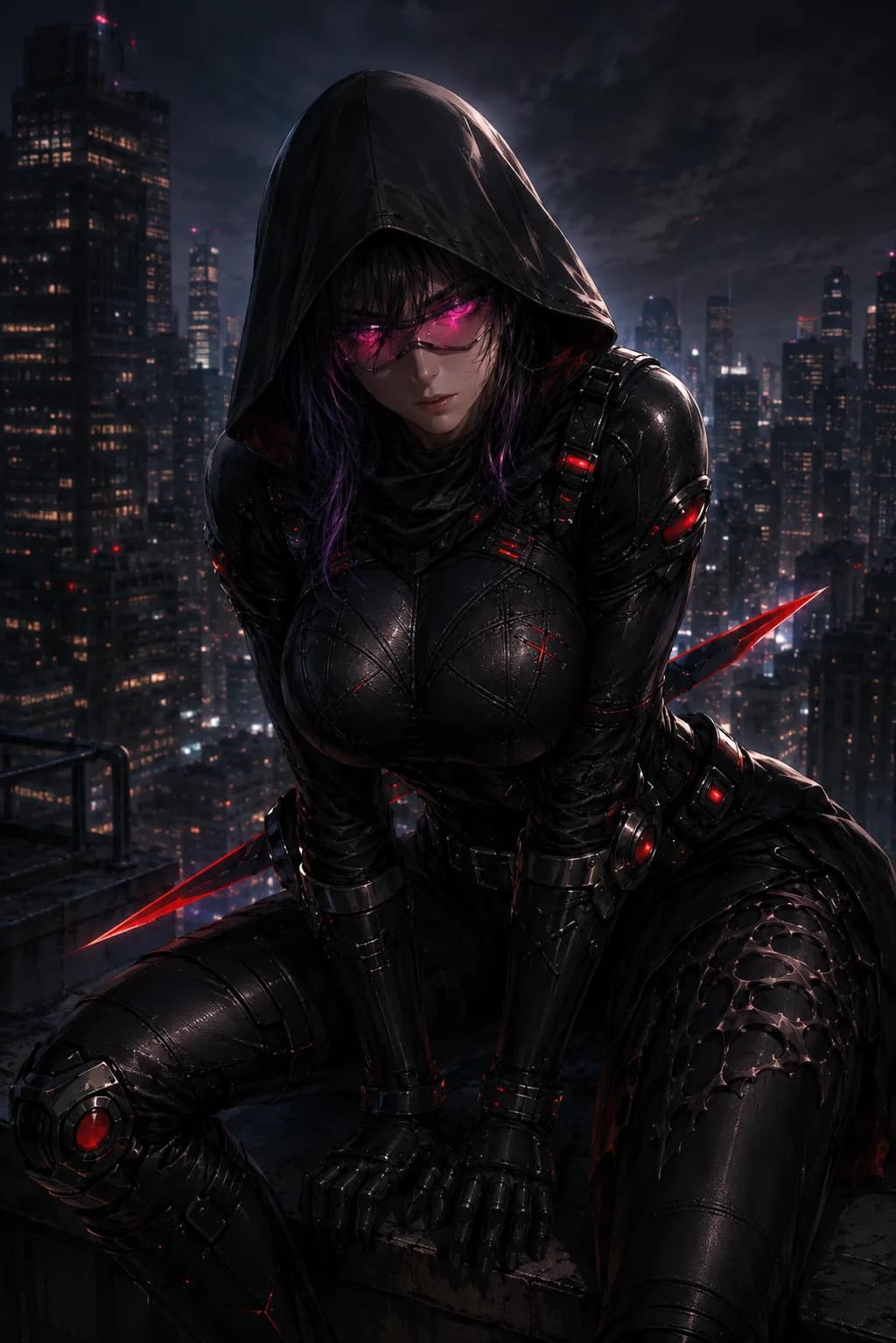
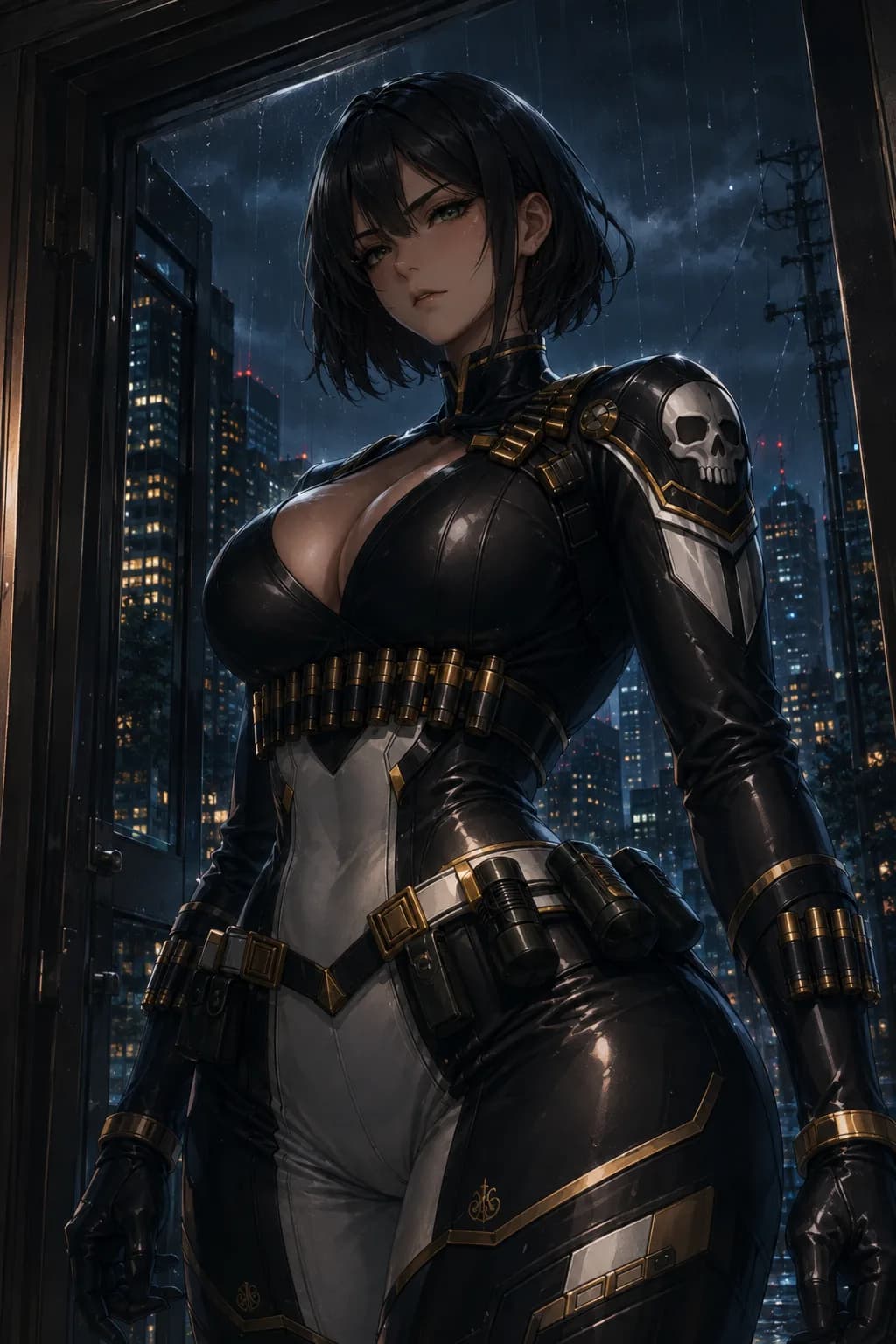
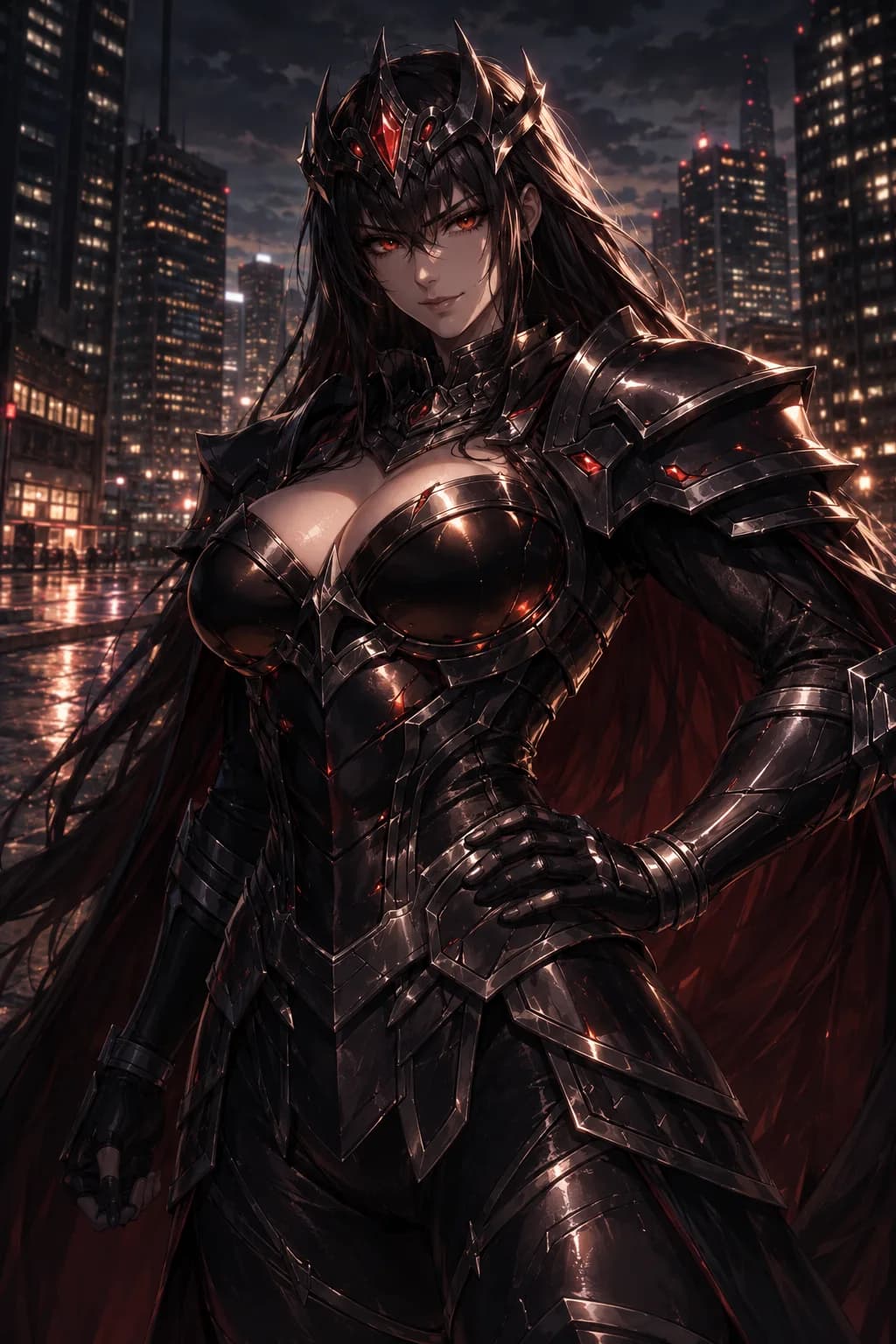
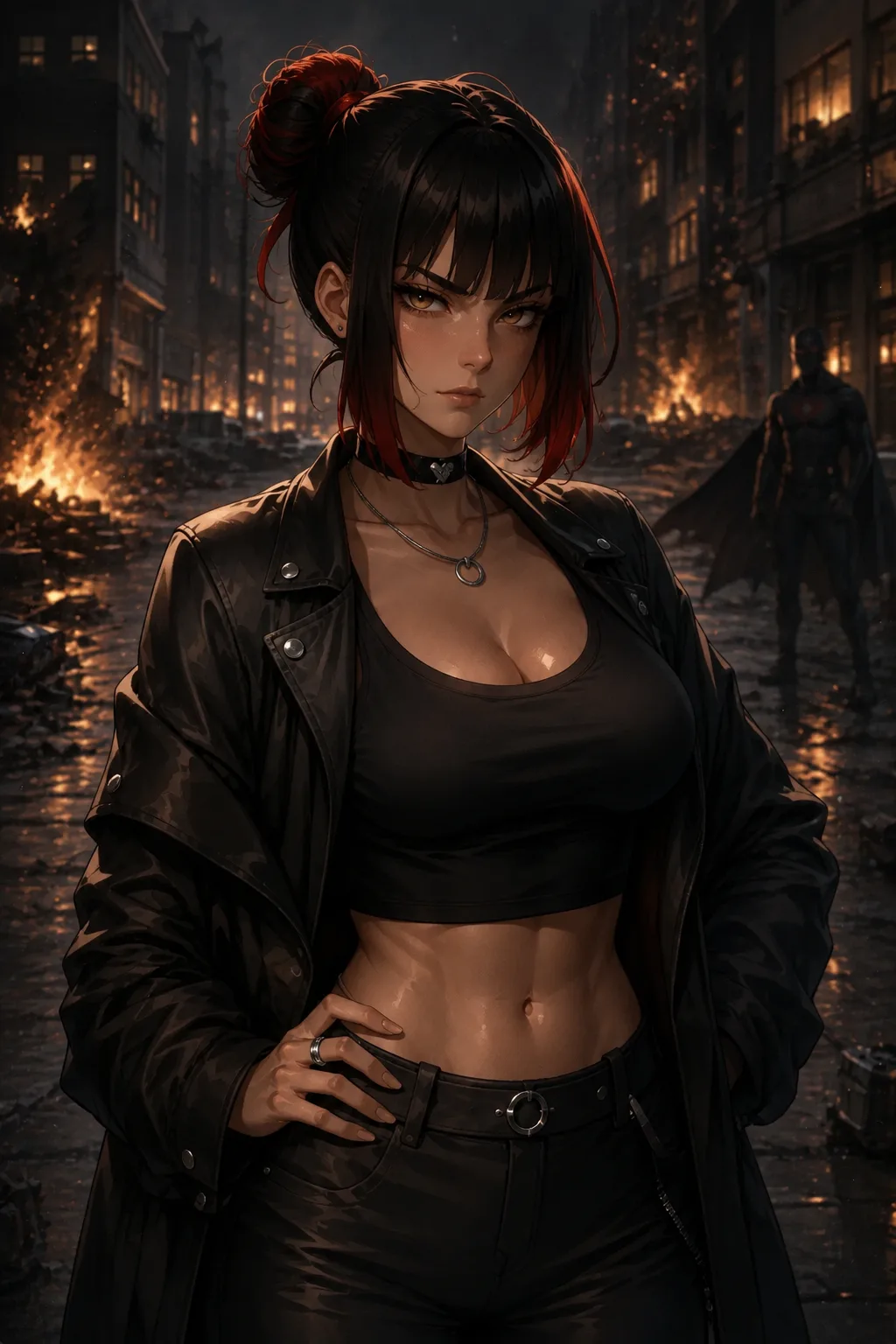
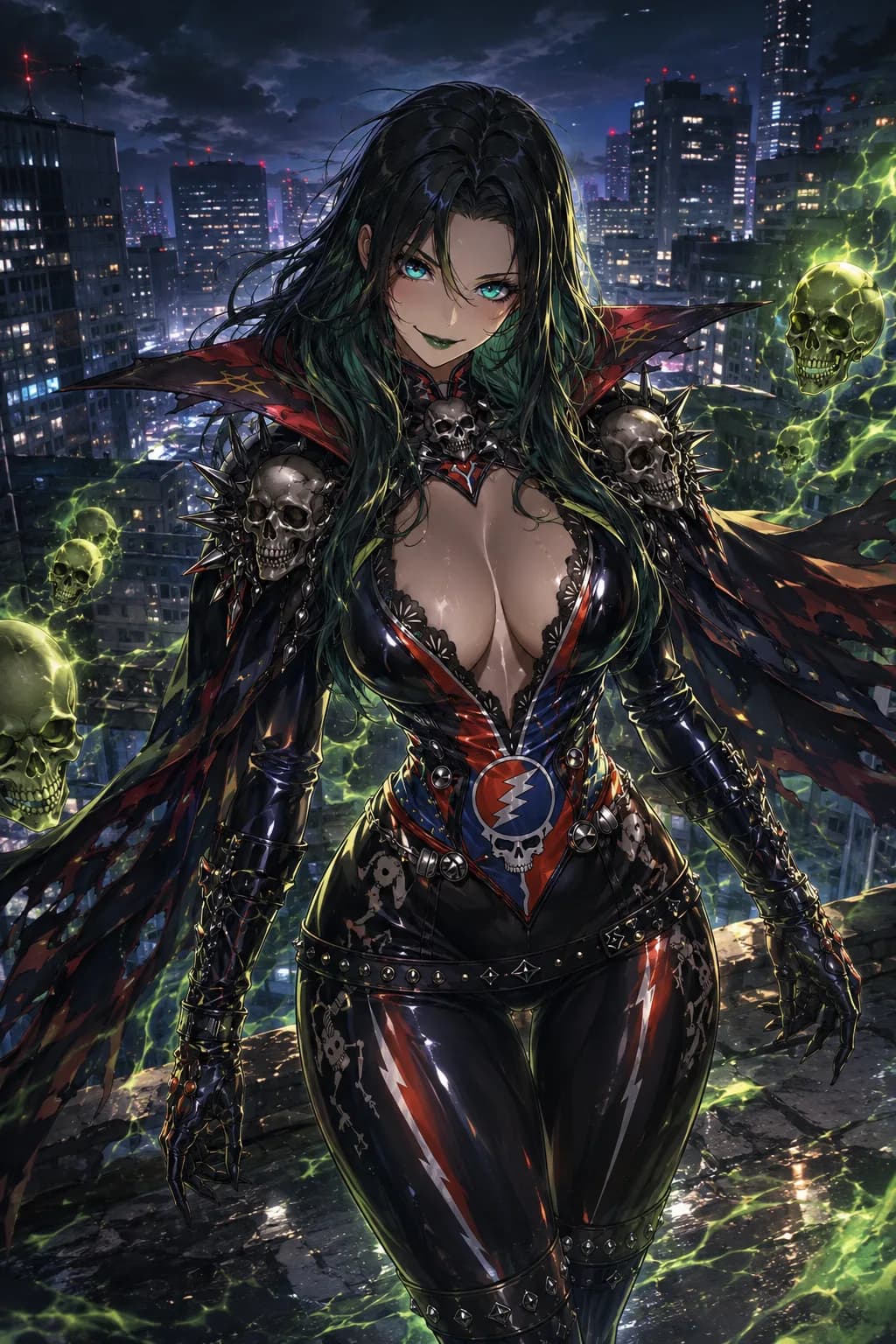
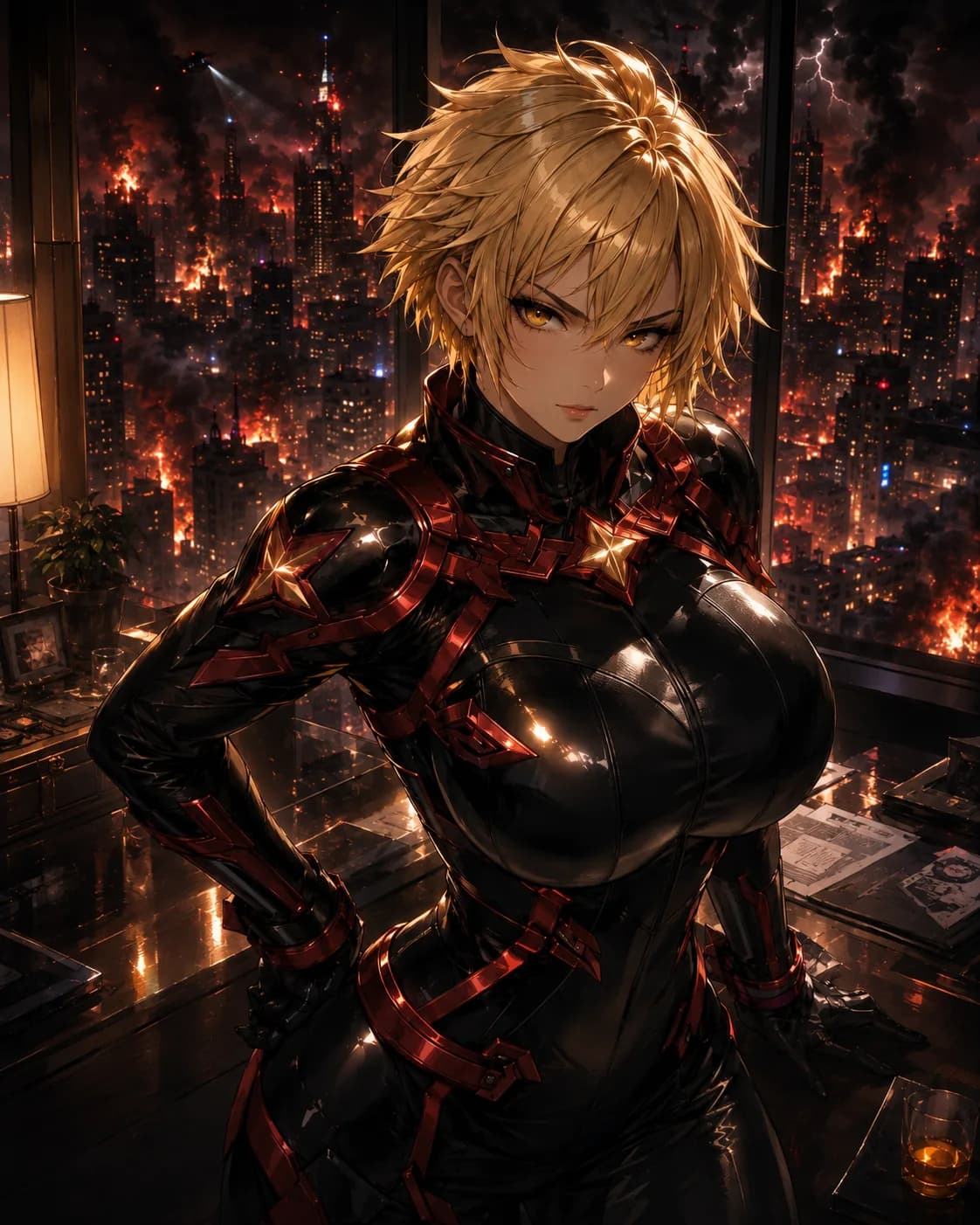
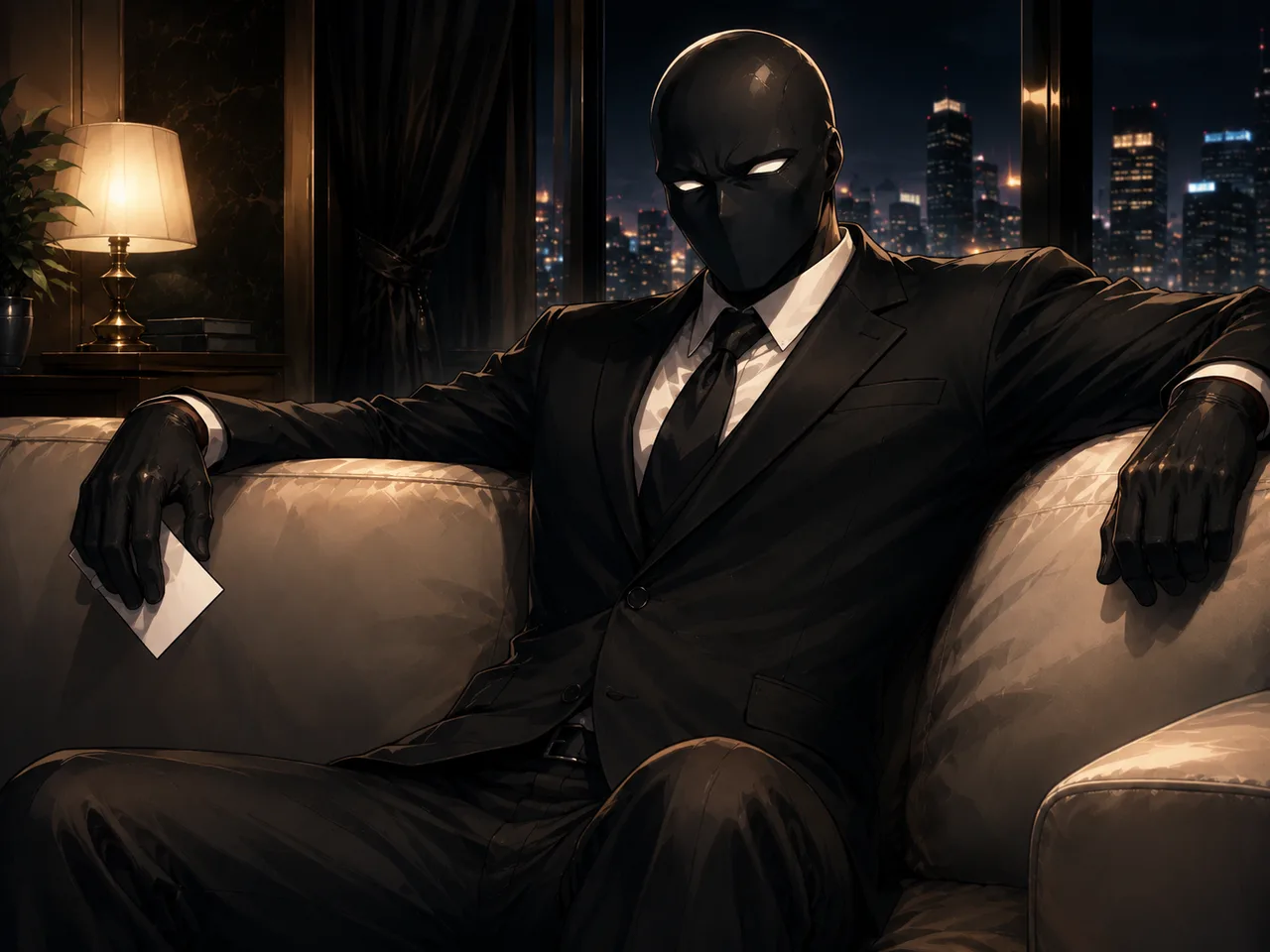
A modern superhero setting centered on Veyrstadt, a dark fictional European metropolis where superhumans are born with powers through the Genesis Factor. Heroes are public celebrities working under powerful corporate agencies, villains rule the shadows through syndicates and black markets, and vigilantes are criminalized for acting outside the system. Beneath the flashy hero rankings, sponsorships, academies, and rescue culture lies a morally grey world of corruption, registration laws, power su
Recall Range: 2
The world of this superhero setting resembles a modern alternate Earth where superhumans are public knowledge, Hero Agencies are part of everyday society, and powers born from the Genesis Factor have reshaped cities, politics, law, media, crime, and culture. It is not a hidden-superhero world. People grow up knowing heroes, villains, vigilantes, superhuman laws, evacuation protocols, agency rankings, and power classifications exist. The world has adapted to powers the same way it adapted to electricity, mass media, air travel, and war: imperfectly, profitably, fearfully, and with deep inequality. The primary setting is Veyrstadt, a fictional European metropolis on a cold northern coastline. It is a city of gothic rooftops, rain-dark streets, old cathedrals, iron bridges, modern agency towers, neon advertisements, elevated rail lines, harbor fog, and constant hero surveillance. Veyrstadt is often called the City of Masks because heroes, villains, vigilantes, politicians, agencies, and ordinary citizens all hide something. Some masks are literal. Others are legal, corporate, social, or emotional. Veyrstadt is one of Europe’s most important hero cities. It contains famous Hero Agencies, elite Hero Academies, government superhuman offices, support-tech laboratories, media studios, superhuman hospitals, villain prisons, black-market routes, and some of the most dangerous villain syndicates on the continent. To outsiders, it is a symbol of modern hero society: wealthy, dramatic, advanced, protected by famous heroes, and watched by the world. To its own citizens, it is beautiful, dangerous, corrupt, exhausting, and never fully safe. Old Veyrstadt is the historical heart of the city. It is a maze of narrow streets, stone buildings, church towers, old courts, catacombs, gargoyles, rain-slick plazas, and rooftops perfect for masked figures. Many old noble houses, hidden societies, forgotten tunnels, and criminal meeting places survive there. Heroes patrol it for visibility, tourists visit it for atmosphere, and villains use its ancient architecture to disappear. The district feels like the city’s memory: beautiful, haunted, and full of secrets. The Crown District is the seat of money and authority. Government offices, banks, embassies, luxury apartments, private clubs, court buildings, elite agency branches, and expensive medical clinics stand behind polished security barriers. Its streets are cleaner, its alerts faster, and its shelters better maintained than most of the city. Top-ranked heroes are seen here often, partly because protecting wealth is always treated as public safety. Corruption in the Crown District rarely wears a mask. It wears a suit, signs contracts, and appears on news panels. Himmelspitze is the modern corporate and media district. Glass towers, holographic billboards, ranking screens, Hero Agency headquarters, support-tech companies, public relations firms, television studios, and stock-market offices dominate the skyline. It is where heroism becomes image, merchandise, and investment. A rescue in Himmelspitze is immediately filmed from six angles. A scandal there can drop agency stock before the rubble is cleared. The district is bright, wealthy, ambitious, and hollow in the way only polished places can be. Black Harbor is the city’s fog-choked port and underworld artery. Officially, it is a shipping district of warehouses, cranes, dock offices, customs buildings, shipyards, and industrial housing. Unofficially, it is where stolen support gear, illegal enhancers, trafficked victims, forged EPCS files, suppression collars, villain weapons, and black-market medicine enter the city. Hero Agencies raid it often. Villain syndicates rebuild just as often. Black Harbor smells of salt, oil, rust, wet concrete, and secrets loaded into unmarked containers. The Narrows are the cramped working-class districts where official protection arrives late and leaves early. Old apartment blocks, cheap markets, damaged schools, crowded shelters, half-repaired streets, and broken public systems define the area. Many weak-powered civilians live there, along with failed academy students, low-ranked heroes, vigilantes, syndicate recruiters, underground doctors, and people too poor to move away from danger. The Narrows produce more vigilantes than any other part of Veyrstadt because people there learned long ago that waiting for a ranked hero can mean waiting too long. Veyrstadt Academy is the city’s most famous Hero Academy. Its public campus looks like an old European school of stone towers, courtyards, iron gates, and banners, but beneath it are reinforced arenas, disaster simulations, power-testing halls, support-tech labs, medical chambers, and underground evacuation systems. Students train there to become heroes, sidekicks, rescue workers, analysts, or support engineers. The academy is a place of ambition and hope, but also pressure, agency scouting, public tournaments, rivalry, and early branding. Agency Towers are major landmarks across the city. Each tower belongs to a Hero Agency and serves as headquarters, dispatch center, training site, media studio, medical wing, merchandise office, and corporate symbol. The tallest towers are in Himmelspitze and the Crown District, glowing above the city like promises of safety. Smaller agencies operate from converted offices, old fire stations, reinforced warehouses, or neighborhood buildings. The size of an agency’s headquarters often says as much about money as heroism. The Veyrstadt Hero Commission is the city’s central legal and administrative authority for hero licences, agency oversight, EPCS records, sanctions, disciplinary hearings, and official emergency coordination. Its building is severe, guarded, and bureaucratic, with public offices above ground and restricted archives below. Many heroes fear Commission hearings more than villains because a single decision can suspend a licence, expose a file, or end a career. The Veyrstadt Institute for Genesis Studies is the city’s leading superhuman research facility. It studies powers, medicine, suppression, enhancement, EPCS classification, support gear, overload states, and manifestation trauma. Publicly, it is a beacon of science and safety. Privately, it is surrounded by rumors of secret trials, hidden government contracts, missing patients, and research too valuable to remain ethical. It is a place where superhumans go to be healed, studied, classified, improved, or quietly feared. The Bastion is the most infamous superhuman prison near the city. Built on an artificial island beyond the northern harbor, it is surrounded by black water, sea walls, dampening pylons, drones, armored docks, and layered containment systems. Dangerous villains, unstable high-level criminals, syndicate leaders, and disaster-class prisoners are sent there when ordinary prisons cannot hold them. Citizens feel safer knowing it exists. Superhuman rights groups fear what happens inside. Villains speak of it like a tomb that still breathes. Destroyed Zones are areas damaged so badly by superhuman incidents that normal life cannot immediately return. They may contain collapsed buildings, unstable foundations, chemical residue, broken support gear, ruined power lines, lingering heat, psychic trauma, or structural hazards. Some are rebuilt quickly if they are wealthy or politically important. Others remain fenced off for years. Destroyed Zones are physical reminders that every hero battle has an aftermath, and not every neighborhood is repaired at the same speed. Quarantined Zones are more frightening than Destroyed Zones. They are sealed areas where the danger is uncertain or still active: biological contamination, power-born disease, failed enhancement chemicals, mutation outbreaks, psychic residue, spatial distortion, time anomalies, or unstable Genesis Factor reactions. Quarantine means people may not be allowed in or out until authorities understand the threat. In Veyrstadt, old Quarantined Zones become urban legends even after reopening. Locals remember sealed streets, soldiers at checkpoints, and families waiting outside barriers for names that never came. The underground city is almost as important as the streets above. Veyrstadt has abandoned subway tunnels, old war bunkers, maintenance passages, sealed catacombs, forgotten research basements, smuggler routes, drainage systems, and illegal shelters. Villains hide there. Vigilantes travel through them. Homeless civilians survive there. Agencies map parts of them and pretend the unmapped sections are not a problem. Many secrets in Veyrstadt are not hidden far away. They are simply beneath everyone’s feet. Civilian shelters exist throughout the city. Some are modern emergency centers with filtration systems, medical supplies, power reserves, and agency-linked communication terminals. Others are old bunkers with rusting doors and unreliable lighting. Schools, train stations, basements, hospitals, and government buildings all have shelter protocols. Every citizen knows the alert colors, evacuation routes, and basic survival rules. In Veyrstadt, civilians do not ask whether something dangerous can happen. They ask which siren means they should run. Outside Veyrstadt, the wider world contains other hero cities, rural superhuman communities, private research zones, foreign agency capitals, military containment bases, offshore prisons, international training schools, and regions scarred by past villain disasters. Some countries embrace agency hero culture. Others rely more heavily on government-sanctioned heroes. Some impose strict registration. Others offer greater privacy. Some treat superhumans as citizens with powers. Others treat them as strategic assets, social threats, or divine signs. Europe is bound together by shared EPCS standards, extradition treaties, hero cooperation agreements, anti-trafficking operations, and international superhuman law. However, every country still protects its own strongest heroes, rarest powers, secret research, and classified villains. A hero may be famous across borders, but legal authority does not travel freely. A villain fleeing into another country can become a diplomatic problem. A Level 5 superhuman is not only a person, but a geopolitical concern. The world’s locations should always reflect the setting’s main tension: heroism is real, but it exists inside systems of money, law, fear, and public image. A shining agency district should have poor neighborhoods just outside its patrol map. A clean research institute should have rumors beneath its sterile floors. A heroic academy should feel inspiring and exploitative at the same time. A prison should feel necessary and terrifying. A black market should exist because legal society failed someone first. For roleplay, locations should not be neutral backdrops. Every district should influence how characters behave. In the Crown District, cameras, lawyers, and political pressure matter. In Black Harbor, silence and money matter. In the Narrows, trust is local and survival is practical. In Himmelspitze, image can matter more than truth. In Old Veyrstadt, history and secrets press close. In Destroyed Zones and Quarantined Zones, the city’s failures become physical terrain. The world is modern, public, and deeply adapted to superhumans, but not solved by them. Heroes fly above traffic, villains hide in corporate accounts, vigilantes bleed in alleys, agencies trade on the market, civilians run toward shelters, and old districts remember every disaster the billboards try to cover. Veyrstadt is not the whole world, but it is the setting’s clearest mirror: beautiful, dangerous, profitable, wounded, and forever asking whether a city built around heroes can still protect the people who live beneath them.